The Ultimate Guide to Digital Health: AI Diagnostics & Wellness in 2026
In the modern era, digital health tools like AI symptoms checkers are bridging the gap between initial concern and professional medical advice. At HealthXray, we provide evidence-based insights to empower your wellness journey.
1. How AI Symptoms Checkers Transform Diagnostics
An AI symptoms checker is a sophisticated, data-driven tool designed to analyze thousands of clinical patterns. It looks for correlations between your reported issues, demographic data (like age and gender), and known disease markers.
It is crucial to understand that an AI symptoms checker is a **decision-support tool**, not a diagnostic device. A computer cannot perform a physical exam, listen to your heartbeat, or conduct blood tests. Therefore, any report generated should be viewed as a "probability" rather than a "certainty".
| Severity Level |
Typical Symptoms |
Required Action |
| Minor |
Mild cough, slight fatigue, sneezing |
Home Rest & Monitoring |
| Moderate |
Persistent fever, localized pain |
Schedule GP Appointment |
| Emergency |
Chest pain, difficulty breathing |
Call Emergency Services |
2. Understanding the Human Digestive System
The digestive system is a complex network where saliva, gastric juice, and pancreatic juice work together to transform food into energy. Understanding how these organs interact is key to identifying symptoms like bloating, acid reflux, or IBS.
3. The Role of BMI and Calorie Tracking
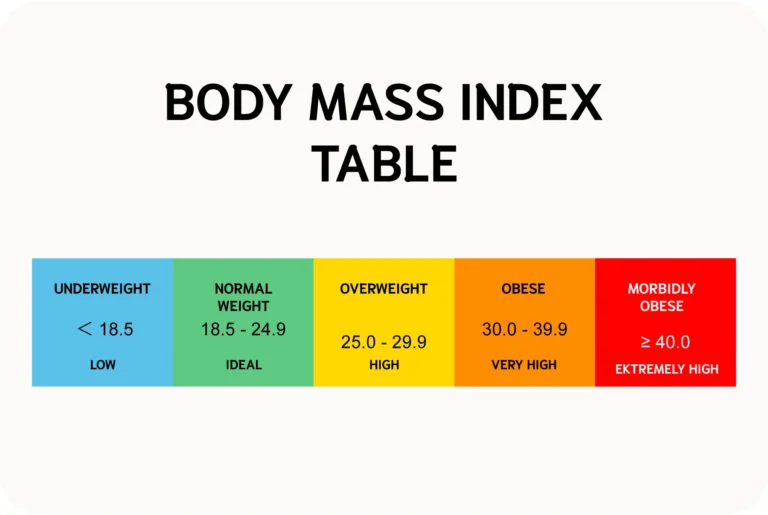
Body Mass Index (BMI) provides a baseline for understanding your weight-to-height proportions. Tracking calories ensures your body receives the optimal energy required for daily functions, maintaining that healthy "glow".
4. Women's Health & Hormonal Tracking
Using period and pregnancy trackers allows for a deeper understanding of hormonal cycles. Irregular patterns caught early can help in the professional diagnosis of conditions like PCOS or thyroid imbalances.
5. Why Evidence-Based Health Matters
Accuracy is the cornerstone of any health tool. Our logic is derived from peer-reviewed medical journals and clinical guidelines to ensure the information is grounded in scientific reality.
6. Conclusion: A Guide, Not a Doctor
Always consult a licensed medical practitioner for a formal diagnosis. Digital tools are here to guide you, provide data, and help you stay informed about your biological systems.
5. The Gut-Brain Axis: How Your Digestive System Affects Mental Health
Modern medical science has identified a profound connection between the gastrointestinal tract and the brain, often referred to as the "Gut-Brain Axis." This bidirectional communication means that your digestive health can directly influence your mood and cognitive functions.
When you experience chronic stress, your body’s "fight or flight" response can slow down digestion, leading to symptoms like bloating or stomach pain. Conversely, an unhealthy gut microbiome can send signals to the central nervous system that trigger anxiety or brain fog. Using our digestive health insights can help you identify these patterns early.
6. Limitations: Why AI is a Guide, Not a Doctor
It is crucial to understand that an AI symptoms checker is a **decision-support tool**, not a diagnostic device. A computer algorithm, no matter how advanced, cannot perform a physical exam, listen to your heartbeat with a stethoscope, or conduct necessary blood tests.
Therefore, any report generated by digital tools should be viewed as a "probability" based on data patterns rather than a medical "certainty". We strongly advise all users to consult a licensed medical practitioner for a formal diagnosis and treatment plan.
| Body System |
Primary Focus |
Common Symptoms Monitored |
| Nervous System |
Brain & Nerve Function |
Headaches, Dizziness, Numbness |
| Respiratory System |
Oxygen Intake |
Shortness of breath, Persistent cough |
| Circulatory System |
Blood Flow |
Palpitations, Chest pressure |
| Endocrine System |
Hormone Balance |
Unexplained weight gain, Fatigue |
7. The Role of Evidence-Based Health in 2026
As we navigate through 2026, the focus of HealthXray remains on "Evidence-Based Health". This means the logic behind our symptoms checkers and calculators is derived from peer-reviewed medical journals, clinical guidelines, and statistical health data.
By relying on proven facts rather than anecdotal evidence, we provide users with a report that is grounded in scientific reality, helping bridge the gap between initial symptoms and professional care.
8. Final Summary: Empowering Your Wellness
Your journey to health (or "Glow") is a continuous process. Whether you are tracking your BMI, monitoring a pregnancy, or checking sudden symptoms, the goal is to stay informed. Digital tools offer a convenient first step, but the final word should always come from a healthcare professional.